Explore the vibrant world of Healthy Mediterranean Cuisine with Greek Fiesta Blog. Discover delicious Mediterranean diet dinner ideas and learn why this heart-healthy eating style is so satisfying and sustainable.
The Healthy Mediterranean Diet — and How to Eat It at Greek Fiesta
The Mediterranean diet isn't a strict rulebook. It's a flexible way of eating built around vegetables, whole grains, legumes, lean proteins, and good olive oil the same building blocks you'll find on our menu every day in Cary and Raleigh. Below, we break down why this style of eating is so well-regarded, and exactly which Greek Fiesta dishes make it easy to eat this way without giving up flavor.
Is Mediterranean food actually healthy?
Yes — when it follows the traditional pattern of mostly plant-forward meals, olive oil instead of heavier fats, whole grains, legumes, and grilled proteins, with less reliance on fried or heavily processed food. Major health organizations have long pointed to Mediterranean-style eating as a pattern that supports heart health, more stable blood sugar, and healthier cholesterol levels when it's part of a regular routine.
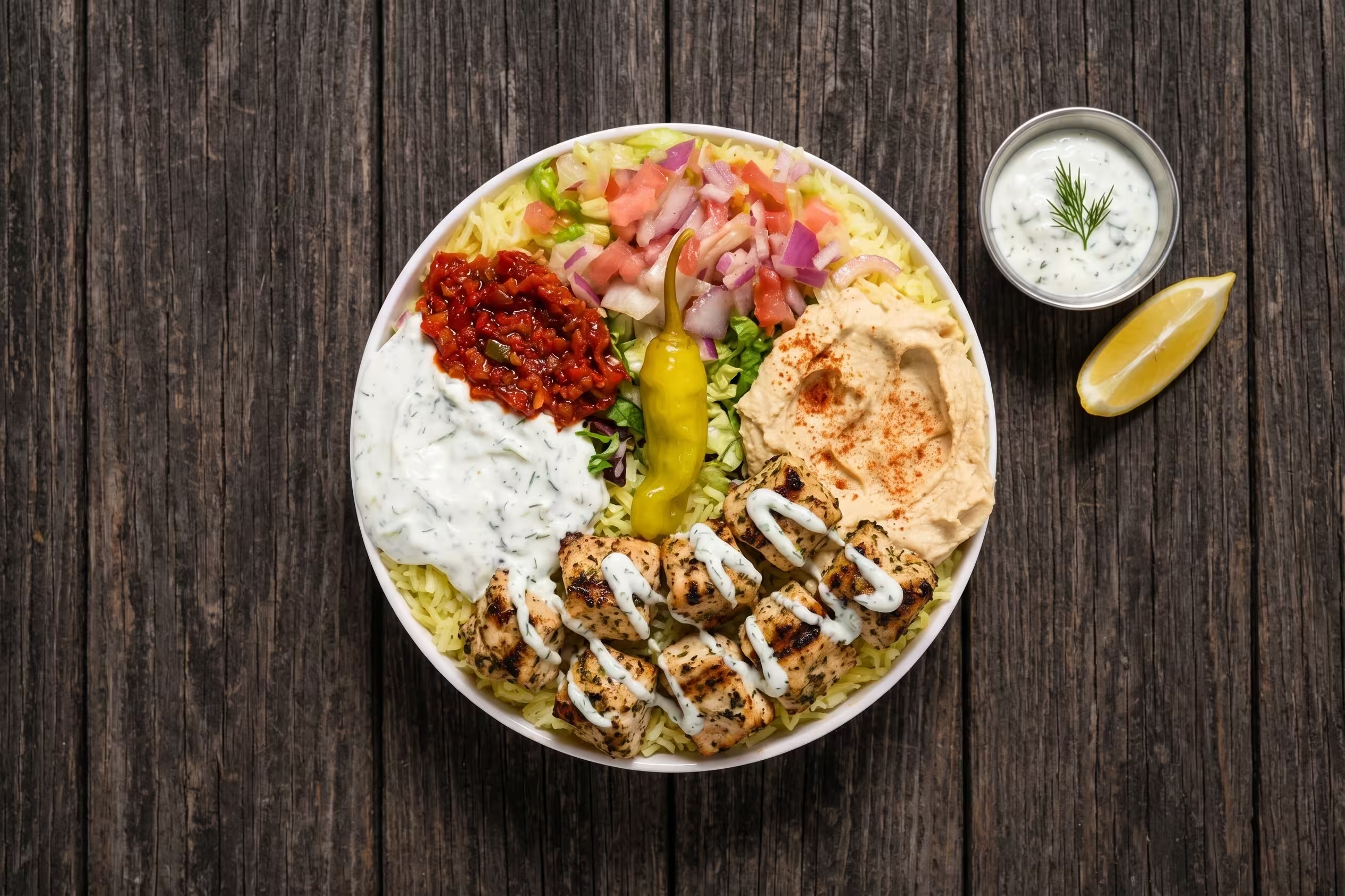
That said, not every "Mediterranean" dish is automatically light. The real benefit comes from the overall pattern, not any single plate: fresh vegetables and lean, flame-grilled proteins instead of fried options, hummus and tzatziki instead of heavy cream sauces, and fruit or a small treat instead of an oversized dessert. At Greek Fiesta, that balance is easy to build — order a Fresh Garden Platter or a Mediterranean Bowl with grilled chicken, garden greens, and cucumber sauce, and you're already eating the way nutritionists recommend.
The ingredients that make it work — and where to find them on our menu
Mediterranean cooking leans on a handful of dependable staples: vegetables, whole grains, legumes, olive oil, herbs, and grilled meats or seafood. Here's how that translates to what's actually on the Greek Fiesta menu:
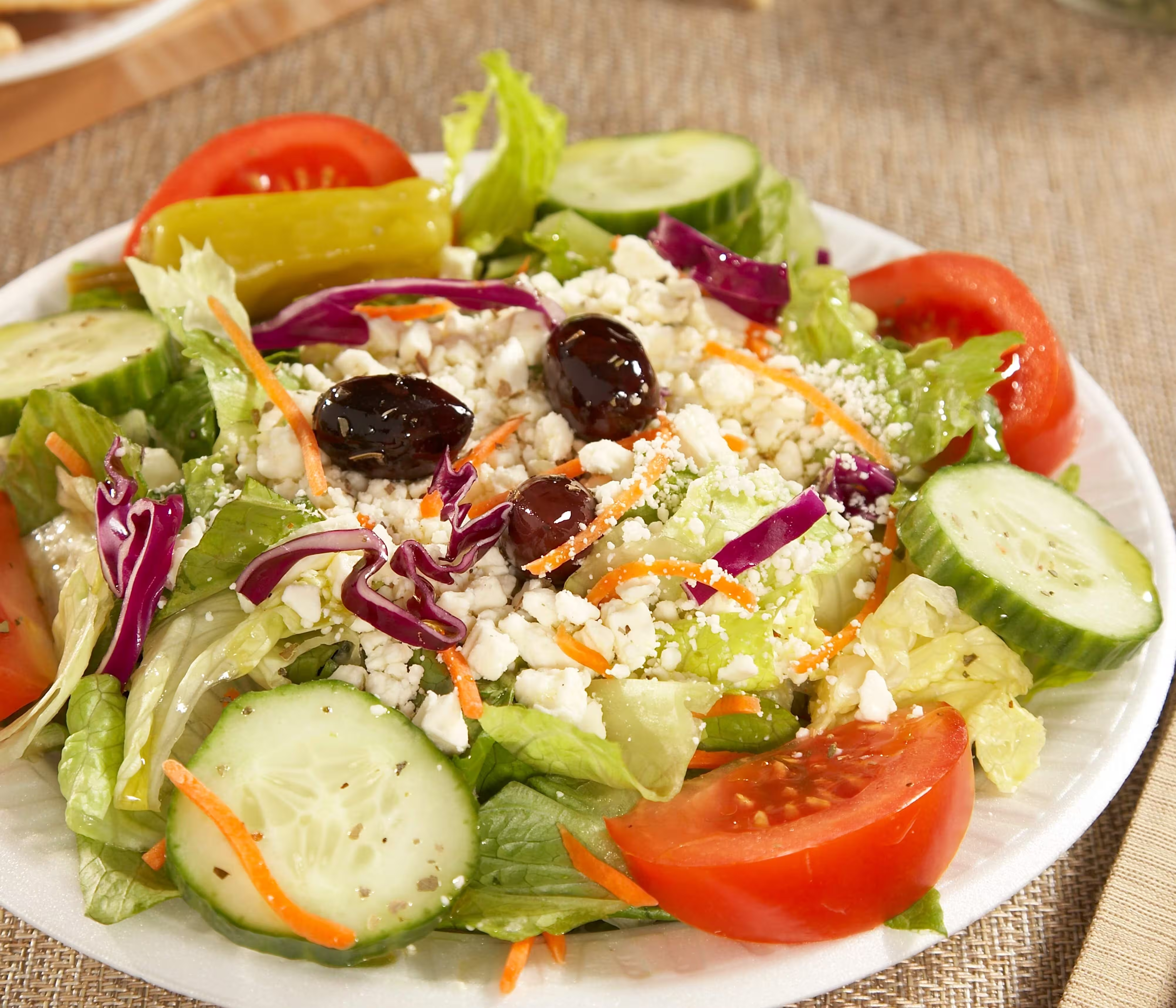
- Vegetables: Crisp romaine, tomatoes, cucumbers, red cabbage, and carrots show up in our Fresh Greek Salad and Garden Greens bowl base.
- Legumes: Our House Hummus, made from blended chickpeas and tahini, and our Golden Falafel are both built on chickpeas — a Mediterranean diet staple.
- Whole grains: Swap fries for our Basmati Rice base in any bowl or platter for a lighter, fiber-friendly option.
- Healthy fats: Kalamata olives, feta, and our house Greek dressing bring good fats and bold flavor without deep-frying.
- Lean, grilled proteins: Our Fresh Chicken Breast Kabob and Premium Steak Kabob are marinated and flame-grilled rather than fried — closer to how proteins are traditionally prepared in the Mediterranean.
- Flavor without excess salt: Garlic, lemon, and herbs drive our Cucumber Sauce (Tzatziki) and Greek dressing, so you get flavor without piling on sodium.
Build a Mediterranean-diet-friendly plate at Greek Fiesta
A well-balanced Mediterranean plate is roughly half vegetables, one quarter whole grains, and one quarter lean protein, finished with a small amount of healthy fat. Our Mediterranean Bowls are built for exactly this:
- Choose your base: Basmati Rice or Garden Greens are the lighter, more traditional choices (Fresh-Cut Idaho Fries is there when you want it).
- Add your protein: Grilled Chicken Kabob, Premium Tender Steak, or Falafel for a vegetarian option.
- Pick your sauce: Creamy Cucumber (Tzatziki) or Classic Hummus keep things light; Greek Fiesta Signature Sauce and Spicy Greek Fiesta Sauce add richness if you want it.
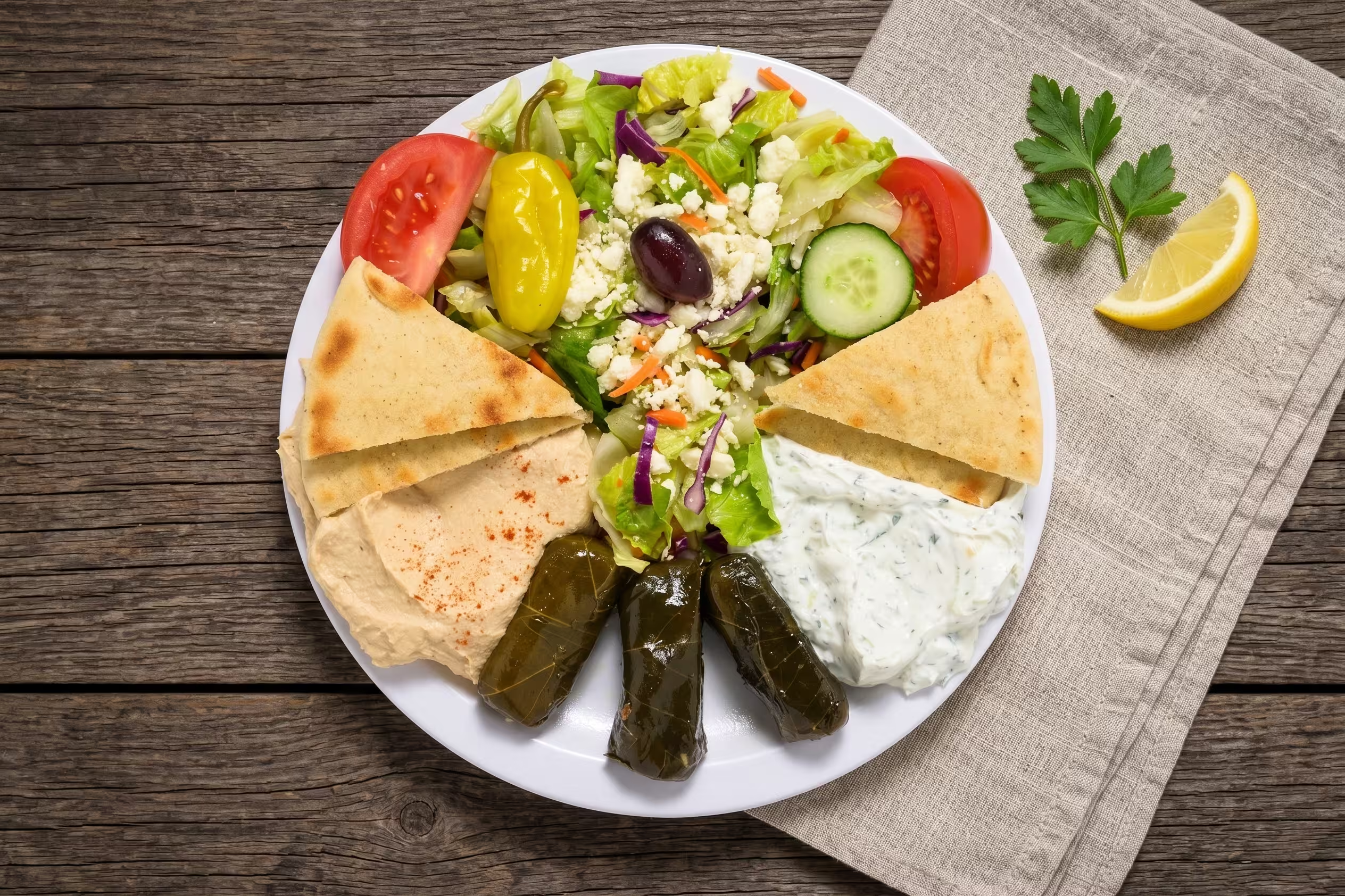
Prefer a platter? The Fresh Garden Platter — hummus, stuffed grape leaves, Greek salad, cucumber sauce, and warm pita — is our most vegetable-forward option and a great way to sample several Mediterranean staples in one order.
A lighter way to order at Greek Fiesta
If you're eating with the Mediterranean pattern in mind, a few easy swaps go a long way:
- Order a Side Greek Salad instead of fries to add a serving of vegetables to any meal.
- Choose grilled kabob meat (chicken, steak, or lamb) over gyro meat or fried falafel if you're watching fat content, while still getting real protein.
- Ask for Basmati Rice instead of fries as your bowl base for more whole-grain carbohydrates.
- Go with hummus or tzatziki rather than the Warm Cheese Sauce or Nacho Cheese toppings when you want a lighter finish.
- Finish with baklava in moderation — our Walnut or Pistachio Baklava uses nuts and honey rather than refined sugar-heavy frosting, so a piece or two fits the pattern better than a full slice of cake.
None of this means avoiding our richer dishes — Loaded Fries, the Chopped Cheese Wrap, and our cheesecakes are there when you want them. The Mediterranean approach is about the overall pattern of your meals, not eliminating any one dish.
Why this way of eating is easy to stick with
The Mediterranean diet works because it's genuinely enjoyable — it leans on garlic, lemon, herbs, and good olive oil rather than removing flavor from your plate. That's the whole idea behind our kitchen: fresh, flame-grilled ingredients, house-made sauces, and vegetable-forward sides that taste good enough that eating well doesn't feel like a compromise.
If you're managing a specific health condition or making a major dietary change, it's always a good idea to check with a healthcare professional or registered dietitian. For everyone else, the easiest way to start is simple: pick a dish you already love from our menu, build it around vegetables, whole grains, and a grilled protein, and make it your go-to order.
Ready to build your plate? Browse the full Greek Fiesta menu, order online for pickup or delivery, or stop by our Cary or Raleigh location.
Q&A
Question: Is the Mediterranean diet mainly about eating Greek food?
Short answer: Not exactly — the Mediterranean diet spans eating patterns across Greece, Italy, Spain, Turkey, Lebanon, Morocco, and nearby regions. What matters is the shared pattern of vegetables, whole grains, legumes, olive oil, herbs, and grilled proteins rather than any one country's cuisine. At Greek Fiesta, dishes like our Mediterranean Bowls and Fresh Garden Platter follow that same pattern.
Question: Can restaurant food still fit a Mediterranean diet?
Short answer: Yes, if you build your order around vegetables, grilled proteins, and lighter sauces. At Greek Fiesta, a Mediterranean Bowl with Garden Greens or Basmati Rice, grilled chicken or falafel, and tzatziki or hummus keeps your order close to the traditional pattern, while options like Loaded Fries or cheesecake are better saved for occasional treats.
Question: What's the easiest way to order a balanced Mediterranean-style meal at Greek Fiesta?
Short answer: Aim for roughly half vegetables, one quarter whole grains, and one quarter protein. A Fresh Garden Platter or a build-your-own Mediterranean Bowl with Garden Greens or rice, a grilled protein, and cucumber sauce or hummus hits that balance without any extra planning.
Question: Which Greek Fiesta menu items are naturally Mediterranean-diet-friendly?
Short answer: The Fresh Garden Platter, Mediterranean Bowls built with rice or greens and grilled protein, the Fresh Greek Salad, House Hummus, and Golden Falafel are all close to the traditional Mediterranean pattern — plant-forward, olive-oil-based, and grilled rather than fried.
Question: What's a realistic first step for someone new to eating this way at Greek Fiesta?
Short answer: Start with one small swap on your usual order — add a Side Greek Salad, choose rice instead of fries, or pick tzatziki over a heavier sauce. Small changes like these make it easy to eat closer to the Mediterranean pattern without giving up the dishes you already enjoy.