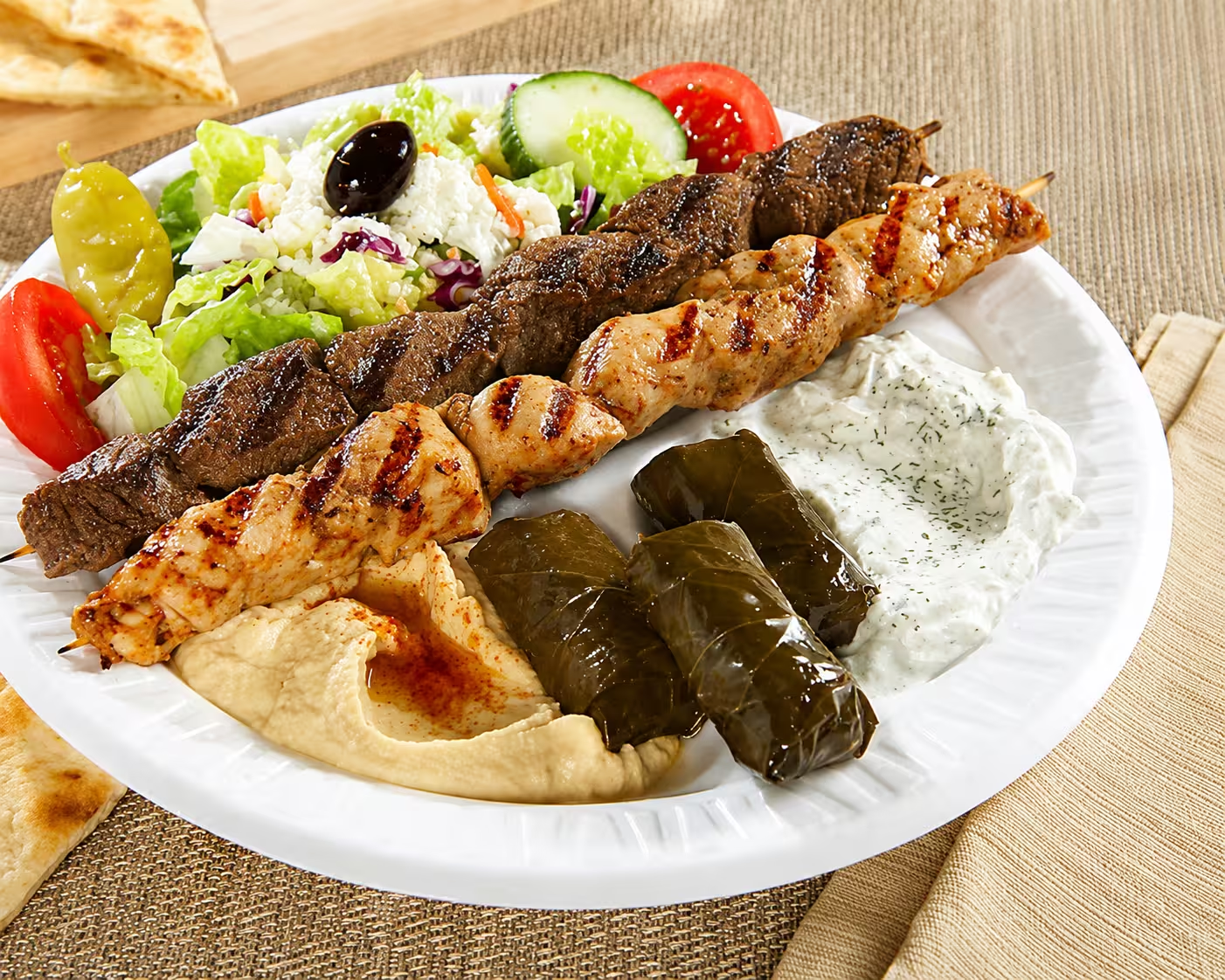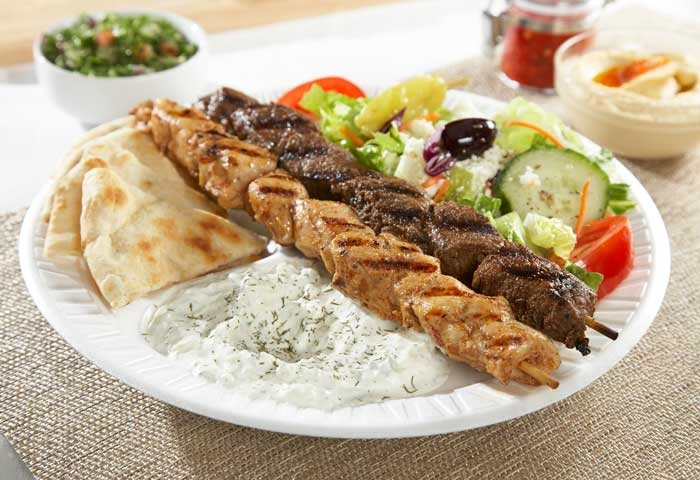
The Mediterranean diet emphasizes eating primarily plant-based foods, such as fruits and vegetables, whole grains, legumes and nuts.
The Mediterranean diet emphasizes eating primarily plant-based foods, such as fruits and vegetables, whole grains, legumes and nuts — and Greek Fiesta prepares fresh Mediterranean cuisine daily using quality ingredients that embody these very principles.
What the Mayo Clinic Says
According to the Mayo Clinic, the Mediterranean diet emphasizes eating primarily plant-based foods — fruits, vegetables, whole grains, legumes, and nuts. It recommends replacing butter with healthy fats like extra-virgin olive oil, and using herbs and spices instead of salt to season food. The diet also includes moderate amounts of fish and poultry, with red meat appearing only occasionally.
Oldways Health Through Heritage
"The Mediterranean Diet is a way of eating based on the traditional foods and flavors of the countries surrounding the Mediterranean Sea. It is not a restrictive 'diet' — rather, it is a lifestyle that has been studied and noted by scores of leading scientists as one of the healthiest in the world."
The modern Mediterranean diet traces its origins to the dietary traditions of Crete, Greece, and southern Italy around 1960 — a time when chronic disease rates in those populations were among the lowest in the world, and adult life expectancy was among the highest, even with limited access to medical care.
What the New York Times Found
A well-known New York Times piece described the Mediterranean approach as low in red meat, sugar, and processed carbohydrates, while being high in healthful fats (especially olive oil), vegetables, fruits, legumes, fish, eggs, and low-fat dairy. It is a straightforward approach to food that has stood the test of centuries.
Key Health Benefits
What Research Consistently Shows
- Reduced inflammation: Mediterranean eating lowers the risk factors for heart attack, stroke, and related inflammatory conditions.
- Improved insulin sensitivity: The diet supports better metabolic function and helps reduce markers of metabolic syndrome.
- Enhanced heart health: Olive oil and abundant vegetables contribute to measurably better cardiovascular outcomes.
- Better brain function: Associated with lower rates of cognitive decline and improved mental clarity.
- Reduced arthritis-related inflammation: Phytonutrient-rich foods help dampen systemic inflammatory responses throughout the body.
Practical Guidelines for Mediterranean Eating
You don't need a complicated meal plan to eat the Mediterranean way. The practical guidelines are refreshingly simple:
- Eat fish at least twice a week
- Enjoy moderate amounts of yogurt and cheese
- Minimize red meat — treat it as an occasional ingredient rather than a daily staple
- Eat eggs and poultry every few days
- Drink abundant water throughout the day
- Use olive oil as your primary cooking fat
- Season generously with herbs and spices rather than salt
Greek Fiesta and the Mediterranean Tradition
At Greek Fiesta, we prepare fresh Mediterranean cuisine every single day using quality ingredients. Our salads are freshly chopped, our meats are traditionally marinated, and our hummus and Tzatziki sauce are made in-house daily. Every dish is built on the same foundation that has made Mediterranean food one of the most celebrated — and most healthful — culinary traditions in the world.
Whether you visit us at our Brier Creek location in Raleigh or our Crossroads location in Cary, you're eating food that reflects centuries of Mediterranean wisdom about nourishment, flavor, and well-being.